
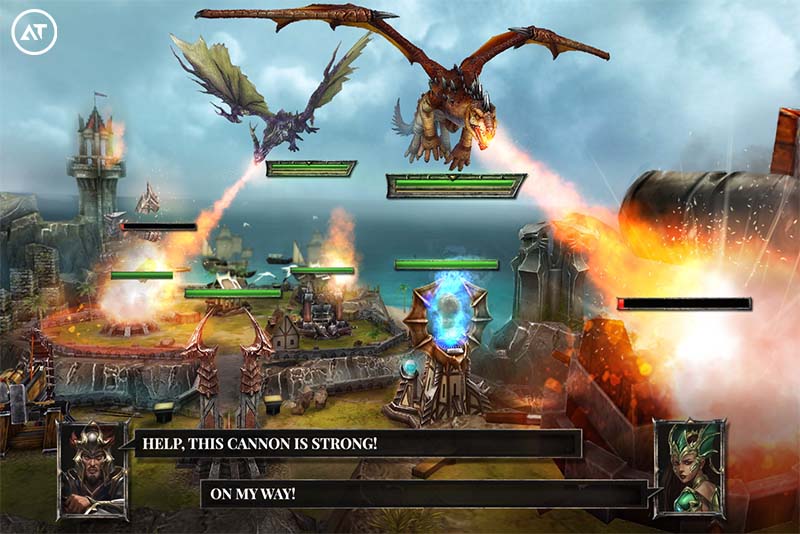
War Dragons combines dragon collecting and breeding with attacks on other players’ island defenses. For a beginner, the first useful skill is learning how your dragon attacks and what its spells can actually do. A stronger roster helps, but it cannot replace choosing targets and using abilities deliberately.
This guide focuses on those first decisions. Dragon-specific numbers and seasonal recommendations can change; check the current in-game description before committing resources to a particular build.
The four dragon classes
Pocket Gems lists Hunter, Warrior, Sorcerer and Invoker as the game’s four classes. Our earlier guide covered only three and omitted Invokers. The following overview corrects that omission.
| Class | Basic attack | What to learn first |
|---|---|---|
| Hunter | Rapid tapped fireballs | Picking individual targets instead of spreading attacks indiscriminately |
| Warrior | Continuous flamethrower | Keeping damage on useful targets while managing defensive abilities |
| Sorcerer | Swipe to lock onto up to three towers | Choosing a group of targets and budgeting for powerful spells |
| Invoker | A four-shot sequence with an empowered fourth shot | Reading what that particular dragon’s empowered shot does |
These attack styles come from the official class guide. A class describes a starting play style; it does not guarantee that every dragon in it has the same spells or is suitable for the same base.
Choose a dragon you can control
Warriors have substantial health, which makes them a reasonable starting point for practicing your aim and defensive timing. Hunters suit more deliberate targeting. Sorcerers reward understanding their spells and planning how to spend rage.
That does not make Warrior the automatic answer to every difficult attack. Compare the actual dragons available to you: their level, abilities and your familiarity with their controls matter more than choosing a class by name alone.
For your first practice attacks, keep the dragon selection consistent. Changing dragons after every loss makes it harder to tell whether your improvement came from better control or a different ability set.
Plan the attack before spending rage
Read each equipped spell’s description before flying. Identify which ability deals damage, which helps you survive, and which depends on a particular condition. The official game reference also provides dragon and ability information.
Give every spell a job. For example, decide which defensive ability you want available when you reach the section that defeated you previously. Spending rage simply because an ability is ready can leave you without the option you need later.
After a failed attack, ask three questions:
- Which tower or section stopped the dragon?
- Did you use your most useful ability before reaching it?
- Would changing the target order help, or do you need a different dragon?
This creates a specific adjustment for the next attempt. Repeating the same inputs with no explanation for the loss teaches much less.
Understand the Invoker’s fourth shot
Invokers deserve their own explanation because their attack rhythm is different. Their first three shots lead into an empowered fourth shot, and its effect depends on the dragon. It can provide damage or another combat advantage.
Before using an unfamiliar Invoker, read its empowered-shot effect and consider where you want that effect to land. Treating every tap as interchangeable misses the point of the class. Pocket Gems’ Invoker introduction explains the design in more detail.
Give upgrades a clear purpose
Before spending resources, name the problem you want the upgrade to solve. Are you struggling to survive a particular attack section, learning a new dragon, or trying to strengthen your own defenses?
A useful beginner habit is to focus on a manageable roster you understand. Compare an upgrade against your current goal rather than assuming that every available purchase or newly unlocked dragon is an immediate improvement.
Use the same approach when evaluating advice from other players. Ask which dragon level, base and game version the recommendation assumes. A suggestion built around a developed account may not solve the problem on a new one.
Your first-session checklist
- Complete the tutorial and learn the controls of the dragons it makes available.
- Read each dragon’s abilities before choosing an attack.
- Practice target selection with a consistent dragon.
- Keep a useful defensive spell in mind when planning rage spending.
- Review one specific mistake after a failed attack.
- Check current requirements before following a breeding or upgrade recommendation.
The aim is to finish the session understanding why an attack succeeded or failed. That gives you a better foundation for choosing dragons and upgrades than following a fixed shopping list without knowing what it is meant to accomplish.


